Truck Crashes

Primary Authority Cluster

Truck Crashes

Comprehensive analysis of commercial vehicle crash types, causes, science, and prevention strategies. Evidence-based information for safety professionals, attorneys, and affected families.

Explore This Topic

In-depth analysis of commercial truck crash factors

Truck Crashes Are Different

Flagship thesis: Structural differences, federal oversight, corporate layers, evidence complexity...

How Serious Truck Crashes Happen

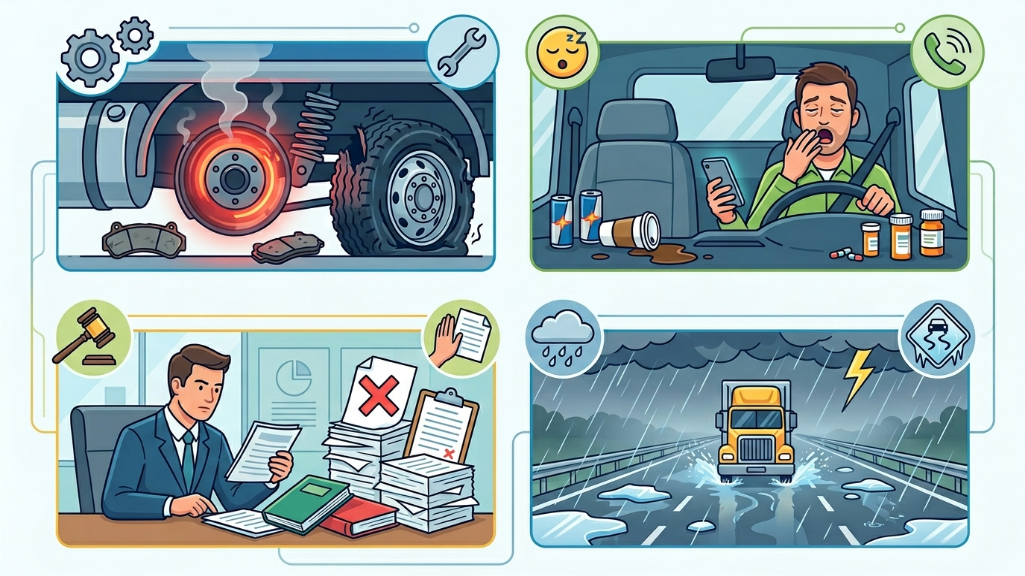
Vehicle factors, human factors, oversight factors, environmental factors

Truck Crash Science

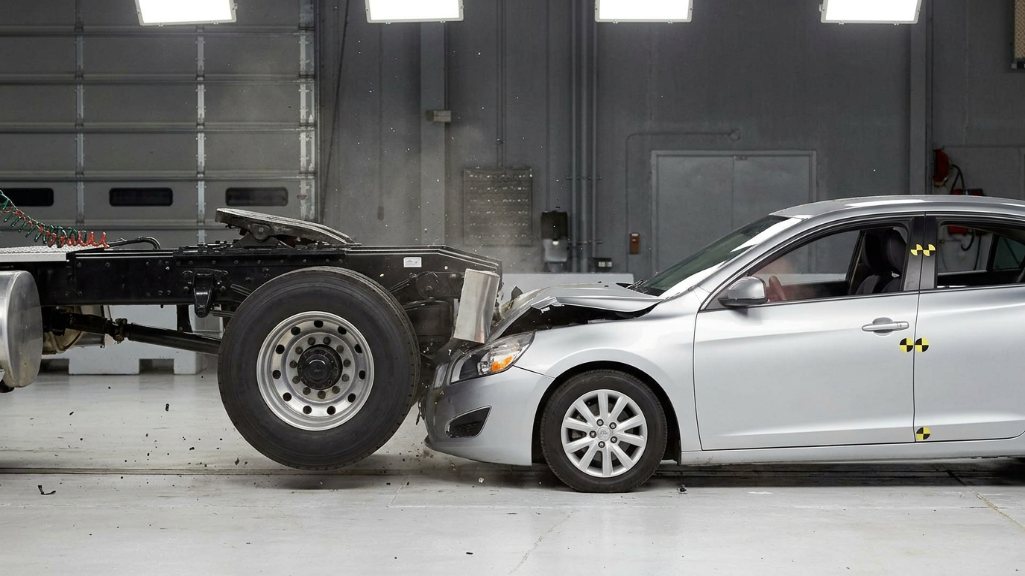
Crash physics, energy transfer, structural mismatch, injury dynamics

Crash Types (Overview)

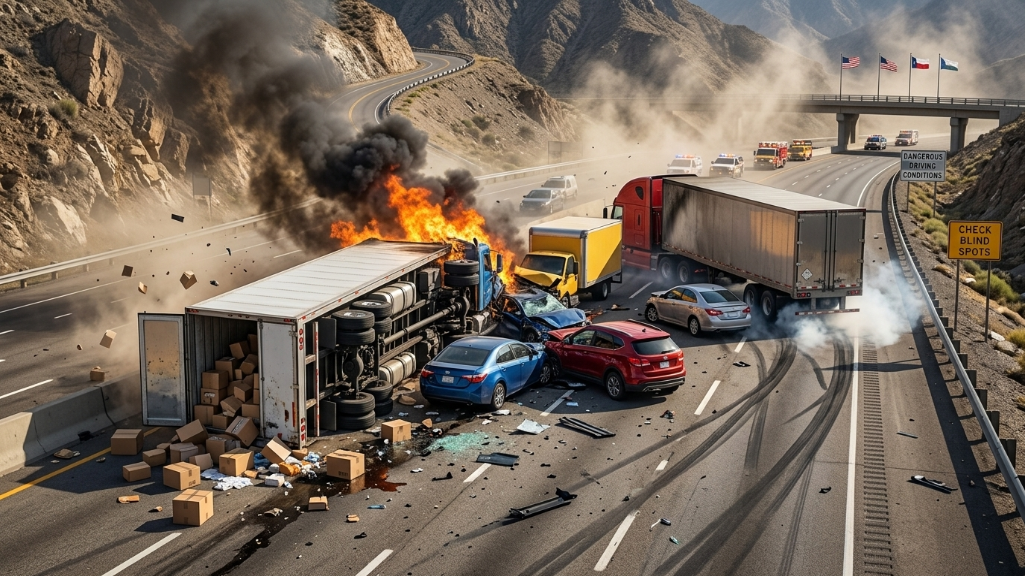
Rear-end, underride, jackknife, rollover, multi-vehicle, blind spot, mountain grade, high-wind

Truck Crash Data & Statistics

National overview, Rocky Mountain patterns, data by type, how to read crash data

Start Here

Why Truck Crashes Are Different

Commercial vehicle crashes involve unique physical, regulatory, and operational factors. Understanding these differences is essential for safety professionals, attorneys, and affected families. This flagship analysis covers structural differences, federal regulatory oversight, corporate layers, evidence complexity, and why deeper understanding improves safety.

Category Data Snapshot

Crashes in Category (2024)
0
Fatal Rate
0 %
Related Cases Analyzed
0

In-depth analysis of commercial truck crash factors

Safety Implications

Understanding crash causes and prevention strategies can reduce commercial vehicle accidents by up to 40%. Explore our evidence-based safety recommendations for drivers, fleets, and policymakers.

Related Topics Across Platform

Truck Crashes

CRASH INVESTIGATION

Understanding a serious commercial truck crash requires knowledge that goes well beyond a typical car accident investigation — crash physics, federal regulations, corporate liability, and time-sensitive evidence that can disappear within days.

Safety & Regulation

REGULATORY COMPLIANCE

Federal and state regulations governing commercial trucks are extensive, specific, and often misunderstood. This section reviews the framework that controls how trucks are operated, inspected, and monitored — and what happens when those rules are ignored.

These Roads

REGIONAL EXPERTISE

The roads across Colorado, Wyoming, and New Mexico present unique safety challenges for commercial trucks — from I-70’s steep mountain grades to Wyoming’s extreme wind corridors to New Mexico’s border freight routes. Local knowledge of these roads changes what investigators look for and what evidence matters.

Tech & Innovation

SAFETY INNOVATION

Science and technology are rapidly changing the commercial trucking industry — which should save lives and make our roads safer. We monitor current safety systems, emerging technologies, and the issues that will determine how trucks operate on tomorrow’s roads.

Industry Watch

INDUSTRY INSIGHTS

When significant truck crashes make news or regulators change the rules, the real story is often more complex than the headline. This section provides original analysis of industry developments from practitioners who understand what the details actually mean.

Latest from This Category

Truck Crashes

Automated Driving Systems and Commercial Trucks: What the Techn...

Automation is reshaping commercial trucking — but the gap between what these systems promise and what they currently deliver is signi...

Truck Crashes

Federal Crackdown on Truck Driving Schools: What the Shutdowns Reve...

Several commercial truck driving schools have recently been shut down by federal authorities. The details raise serious questions about how c...

Truck Crashes

I-70 Mountain Corridor Crash Patterns: What Colorado’s Data Act...

Colorado’s I-70 mountain corridor generates more commercial truck crashes than any other road in the state. An analysis of the conditions...

Need Case-Specific Guidance?

Serious commercial vehicle cases often involve complex investigations. Our team works collaboratively with experienced trucking attorneys nationwide.